Harvesting Rainwater in Winter: What Should You Do?
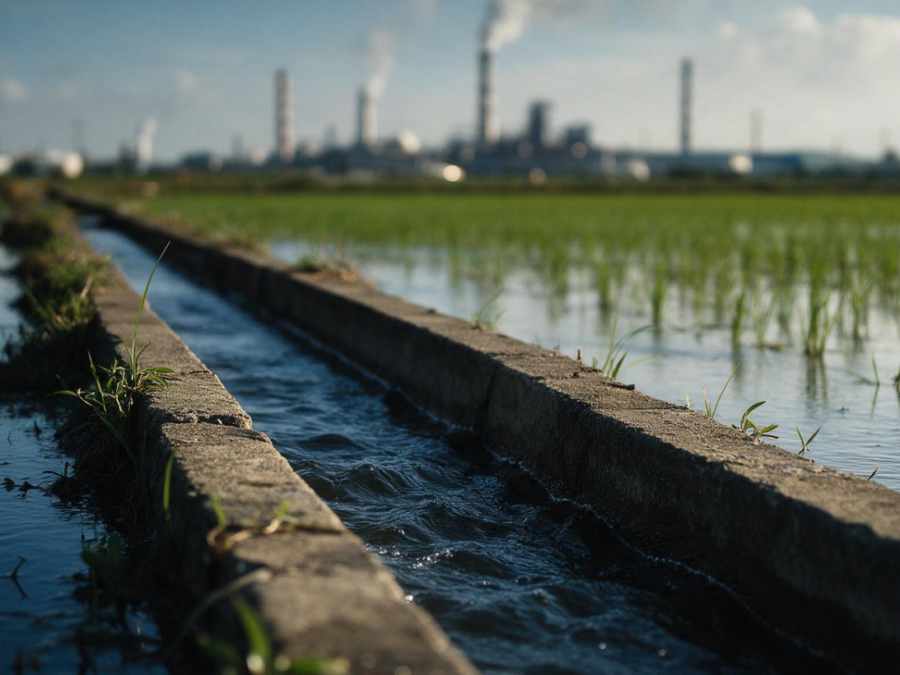
Harvesting rainwater in a village pond can also keep runoff out of surrounding lanes, as the Times of India explains in its pond account. The same practical idea applies to a building: give rain a suitable destination before it reaches the road. For an RWA committee or facility manager, winter brings a specific task. Keep the collection route ready between showers, protect stored water, and use the quieter period to examine how the system handles rainfall.
TL;DR: Harvesting rainwater in winter means collecting suitable rainfall when it arrives and keeping the system ready between events. Check the roof, first-flush outlet, filters, storage and recharge route. Size upgrades around local peak rainfall, assess water quality before use, and record actual collection separately from estimated potential.
Step 1: Is harvesting rainwater during winter possible?
Yes, you can harvest winter rain where rainfall occurs and the building has a suitable collection route. The amount available depends on local weather, the connected roof area and system condition. Winter harvesting supports event-based collection; it doesn’t establish a reliable year-round supply by itself.
Start with your own site. Ask the facility team where rain from each roof section goes. A building may have a recharge pit while several downpipes still discharge onto paving.
Winter weather also differs across India. Your operating plan should follow local conditions rather than a national seasonal assumption. Keep the system available for suitable rainfall, but don’t promise a collection volume without supporting records.
The principle is familiar. Village ponds received runoff through connected routes, rather than collecting water simply because a pond existed. The Times of India’s village example connects that collection with keeping water out of lanes and houses.
For a campus, trace the equivalent route: roof, gutter, downpipe, diversion, filter and destination. Identify any section where runoff mixes with sewage, workshop discharge or chemical wash water.
Keep those streams separate. Harvesting rainwater begins with a suitable catchment, not with sending every drain into a pit.
Step 2: What should you check before a winter shower?
Check the connected roof, gutters, downpipes and first-flush arrangement before collecting winter rain. Dry intervals can leave debris on the catchment. The opening runoff needs an appropriate diversion route, and collection should begin only when the system’s operating procedure allows it.
A roof can collect leaves, bird droppings, dust and material from nearby work. Remove visible debris without washing it directly into the harvesting system.
Examine gutter joints and downpipe connections. Look for loose fittings, blocked bends and outlets that discharge beside the intended inlet. A clear roof won’t help if the water leaves through a broken connection.
Next, inspect the first-flush arrangement. This component diverts the opening runoff before later water enters the collection route. Check that its valve or drain works and that the diverted water has a suitable destination.
Avoid setting a universal first-flush volume from this article. The required arrangement depends on catchment conditions, system design and the intended use.
Write a short operating note beside the accessible controls:
- Which roof sections feed the system.
- Where the opening runoff goes.
- Who checks the diversion.
- When collection can resume.
- Who to contact if contamination is suspected.
Winter adds a useful question to a general maintenance schedule: what accumulated during the dry interval? Use EcoLive’s rainwater harvesting maintenance guide alongside this event-based check.
Step 3: Should winter rain go into storage or recharge?
Send winter rain to storage when you have a defined, suitable use and the means to manage water quality. Choose recharge only where the ground conditions, groundwater setting and collected water make it appropriate. Some sites need both routes, with clear controls for switching between them.
Storage and recharge serve different purposes. A tank holds water for later use. A recharge structure allows suitable water to enter the ground through an assessed route.
Start with demand. Does the building have an approved non-potable use, such as landscape irrigation or cleaning? Can staff manage the stored water and keep its pipework separate from drinking-water lines?
Then examine the site. Soil, groundwater conditions, nearby contamination and the structure’s condition affect whether recharge is suitable. The presence of a borewell doesn’t establish that direct injection is appropriate.
A factory needs particular care. Yard runoff may carry substances that clean rooftop runoff doesn’t. Keep workshop areas, chemical handling zones and effluent routes outside the clean collection network unless a qualified assessment establishes otherwise.
EcoLive’s article on groundwater recharge methods is a relevant companion for that decision.
Finally, draw the overflow route. Where does water go when the tank is full or the recharge structure cannot accept the incoming flow? A winter plan should answer that before staff open the collection valve.
Step 4: How do you keep stored rainwater suitable for use?
Keep stored rainwater covered, protect it from contamination and assess its quality against the intended use. Clear-looking water isn’t evidence that it is suitable for drinking, cleaning or a production process. Treatment and testing should follow the application, storage conditions and site procedure.
Examine tank covers, inspection openings, vents and overflow screens. Repair gaps that allow debris or pests to enter. Keep access secure while preserving safe inspection arrangements.
Check the outlet and pump intake. Sediment at the bottom of a tank can affect operation and may need removal through a planned cleaning procedure.
Ask what the stored water will actually do. Water suitable for an approved landscape use may not meet the requirements of a cooling system or manufacturing process. Those applications can need additional controls.
Don’t assign a universal storage period. Holding time, temperature, contamination and treatment all affect quality. The facility team should follow a site-specific procedure, with testing where required.
Label non-potable pipework clearly. Keep it separate from drinking-water plumbing and have the design checked for backflow protection where relevant.
Staff should also know when to stop using the stored water. An unusual smell, visible contamination or a damaged cover should trigger investigation, rather than an informal decision to continue.
Make that decision easy to report. Record the concern, isolate the affected route where appropriate, and call the person responsible for water quality.
Step 5: How should you size upgrades for harvesting rainwater in winter?
Size the collection and conveyance system around local peak rainfall and the conditions it must safely handle. Use annual rainfall to estimate potential yield separately. Storage capacity should also reflect demand, available space, water quality and the way the building will operate the tank.
Annual rainfall totals cannot tell you how much water arrives during an intense shower. Gutters, downpipes, filters and overflow routes need to handle incoming flow when the event occurs.
Storage asks another question: how much collected water can the building use and manage? A large tank may be poorly matched to limited demand. A small tank may fill quickly while suitable runoff continues.
Recharge needs its own assessment. The structure must suit the ground’s ability to accept water, along with the water quality and local requirements.
Give the engineer a connected brief:
- The roof sections feeding the system.
- Local peak rainfall information used for design.
- Existing pipe and filter details.
- Ground conditions and recharge observations.
- Intended stored-water uses.
- The safe route for excess flow.
A review of future rainwater harvesting identifies stormwater management as a potential benefit. That is a reason to examine event flow, rather than judge the system only by its annual collection estimate.
For the wider design decision, read EcoLive’s modular harvesting comparison. This winter guide adds the operating question: how does the installed system perform during an actual shower?
Step 6: Observe the system during and after rain
Observe a winter rainfall event from safe, accessible locations and record how water moves through the system. Check collection, filtration, storage or recharge, and overflow as connected parts. An event record helps identify repairs without confusing assumed performance with measured performance.
Before rain, note the tank level and whether the diversion is ready. During the event, look for gutter spill, leaking connections and water backing up around accessible filter chambers.
Afterwards, examine standing water near the inlet and overflow destination. Record visible sediment or unusual contamination. Don’t enter tanks, pits or other confined spaces to investigate.
If metres are installed, use their readings. Tank-level changes need interpretation because staff may withdraw water while rain enters. A level increase alone may not show total collection.
Keep the event log simple. Record rainfall information when available, the starting condition, valve changes, observations and the action assigned.
Photos from fixed viewpoints can help the maintenance team compare events. They should show the same inlet, chamber or overflow route, rather than a general picture of a wet roof.
Give each repair an owner. “Filter checked” says little. “Filter cleaned, drain tested, collection route reopened by the facility supervisor” explains what happened.
For an RWA, this creates a useful committee record. Members can see the condition of the system and the work authorised.
Step 7: How should winter observations inform the wider water balance?
Use winter harvesting records to plan how rainfall works alongside demand reduction and water reuse. EcoLive’s 4R framework, Reduce, Reuse, Recycle, Recharge, treats these as connected actions. Rainfall collection should have a clear role within the building’s overall water balance.
Start with the water already used on site. Examine leaks, fixture operation and uses that can accept appropriately treated water. Then decide where stored rain can contribute.
A building shouldn’t depend on a winter shower for an essential use without a suitable backup supply. Keep the operating plan clear about which uses can switch between sources.
Recharge also belongs in that plan, but report it carefully. Water directed towards a recharge structure isn’t automatically the same as water confirmed to have entered the ground.
EcoLive’s 4R water-balance guide provides the hub for those connected decisions.
The supplied Kancheepuram study concerns knowledge and perceptions of rainwater harvesting. Its rural setting doesn’t establish operating rules for a commercial campus, but it raises a useful management question: do the people responsible understand the system?
Ask the technician to explain the collection route and diversion procedure. If the explanation depends on one person’s memory, document it before staff change.
Common mistakes to correct during winter
Correct unconnected collection routes, unclear valve procedures and unsupported performance claims during winter. These defects can remain hidden when staff focus only on cleaning a pit. Examine the whole route and distinguish a recommended operating check from a site-specific engineering requirement.
Treating every shower as suitable collection water
Rainfall after roof repairs or nearby construction may carry material that changes the collection decision. Check the catchment and follow the site’s procedure before admitting water.
Designing from annual rainfall alone
Annual totals help estimate potential. They don’t establish the flow capacity needed for an intense event. Keep yield estimates and peak-flow design separate in the project brief.
Sending overflow onto busy paving
A tank needs a safe route for excess water. Inspect where that route ends, including its effect on entrances, neighbouring property and pedestrian access.
Assuming a recharge pit proves groundwater recovery
Document the water directed to the structure and the observations available. A claim about groundwater recovery needs evidence beyond a photograph of water entering a chamber.
Mixing unrelated water streams
Searches sometimes use the phrase “rainwater water harvesting”. For an operating team, the distinction must be clearer: rooftop rain, greywater, sewage and process effluent need identified routes and appropriate controls.
Leaving responsibility unnamed
Assign responsibility for catchment checks, valve operation, water quality and event records. A contractor’s service visit doesn’t replace the building’s ongoing operating role.
Winter harvesting FAQ
Winter rainwater harvesting decisions depend on local rainfall, catchment condition, intended use and system design. These answers address common operating questions for buildings and campuses. A site assessment is still needed for sizing, treatment, recharge suitability and claims about measured outcomes.
Does harvesting rainwater in winter replace monsoon preparation?
No, winter operation doesn’t replace monsoon preparation. Use winter observations to identify repairs, then check readiness again before the locally relevant rainy period.
Can a building use winter rainwater for drinking?
Only use it for drinking when appropriate treatment, testing and the required safeguards establish that it is suitable. A roof filter and clear appearance don’t establish drinking-water quality.
Should an RWA empty its rainwater tank before every shower?
No, there isn’t a universal instruction to empty the tank before rain. Manage available capacity, water quality and withdrawals through the site’s operating plan.
Can winter harvesting prevent flooding around a campus?
No, winter harvesting alone doesn’t establish flood prevention; it can help manage runoff, depending on rainfall intensity, available capacity and the wider drainage network. Don’t claim flood prevention from a tank or recharge pit without assessing those conditions.
What should a facility manager request in a winter assessment?
Request a catchment inspection, flow-path check, storage or recharge review, water-quality plan and safe-overflow assessment. Ask for operating instructions and a record of what was observed, measured and recommended.
Request a Water Assessment from EcoLive for your building or campus.
Phone: +91 9871472211
Email: connect@ecolive.in
Website: ecolive.in