How to Choose the Best Rainwater Harvesting Company in Delhi NCR (2026 Guide)
Delhi NCR captures barely 8% of its annual rainfall. The remaining water floods the streets or vanishes into drains. When municipal notices arrive, building owners rush to hire the first available rainwater harvesting company in Delhi NCR. This compliance-driven panic leads to poorly designed systems that stop working within two years. Choosing the right engineering partner determines whether your building actually saves water or just checks a bureaucratic box.
TL;DR: The best rainwater harvesting company in Delhi NCR will measure your site’s water balance before digging a pit. Look for an engineering firm that uses the 4R framework (Reduce, Reuse, Recycle, Recharge), provides verified outcome reports, and offers long-term maintenance contracts. Avoid vendors who only focus on basic compliance installations.
Why do systems from a typical rainwater harvesting company in Delhi NCR fail early?
Why do rainwater harvesting systems fail within two years? Most systems fail because they are built purely for compliance rather than actual water capture. According to industry assessments, systems installed without proper catchment mapping or filtration maintenance clog after just two monsoon cycles.
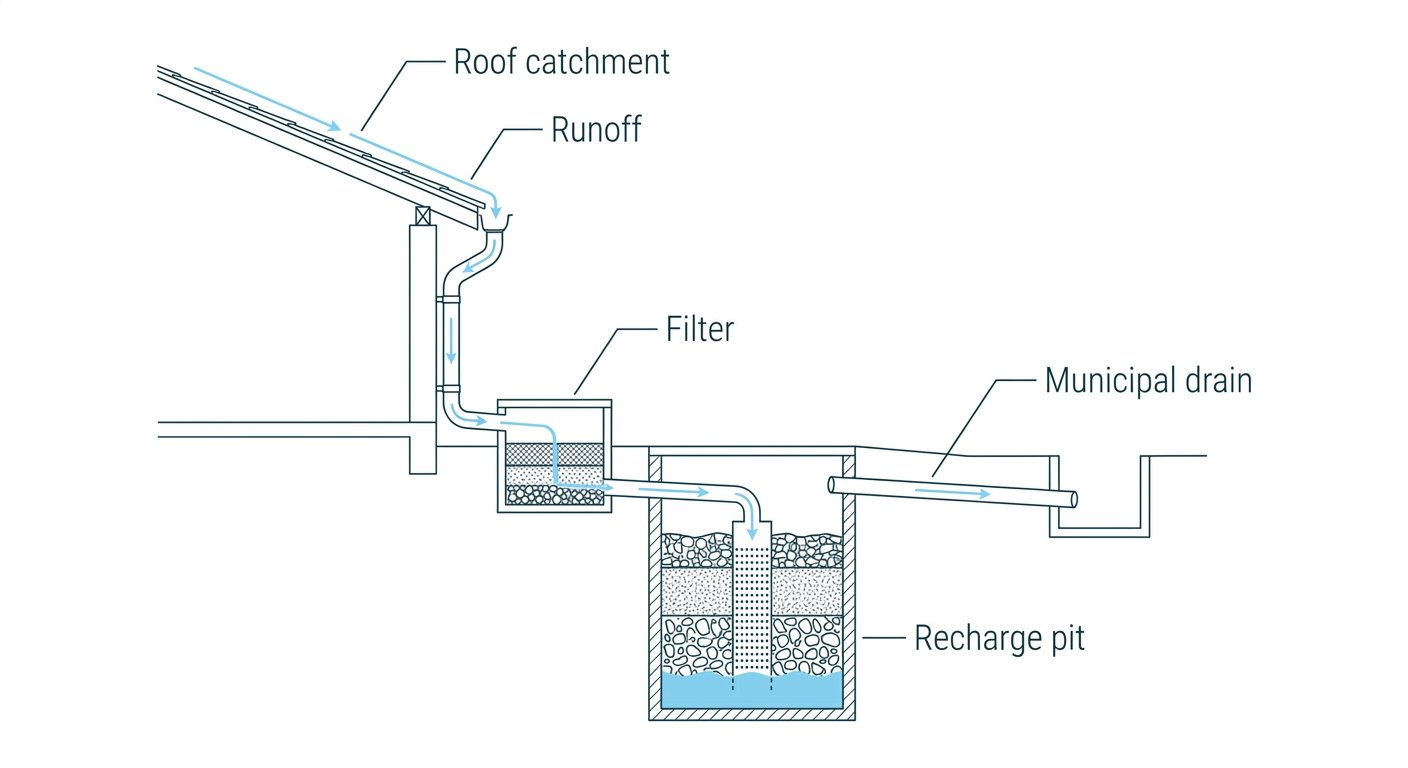
A standard installation by a generic vendor often ignores the site’s specific runoff coefficient. When the first heavy monsoon hits, the filters choke on debris. The water overflows into municipal drains instead of reaching the recharge pit. You end up paying for water tankers while your expensive harvesting infrastructure sits useless. This is exactly why systems fail so quickly in urban areas.
1. Do they measure the water balance or just dig a pit?
How should a vendor approach your site? A professional firm will calculate your complete water balance before proposing a design. Facilities that implement proper water budgeting see significant reductions in freshwater demand and tanker dependency.
Most local installers look at your roof and quote a price for a standard recharge pit. This approach misses the core engineering requirement. Your site needs a system sized to peak hourly rainfall, not just annual averages. The vendor must evaluate your total water in versus water out. If they do not offer a comprehensive water balance assessment, they are guessing at your requirements.
2. Are they using the 4R framework?
What is the most effective approach to water management? The 4R framework (Reduce, Reuse, Recycle, Recharge) is the proven methodology for closing a site’s water loop. Buildings applying this unified framework can cut their tanker water costs by up to 60%.
Installing a standalone recharge pit is inefficient. The water you capture should be part of a broader strategy that includes reusing treated water and reducing overall consumption. A competent vendor will integrate your harvesting system with your existing infrastructure. They will identify opportunities to route runoff for non-potable uses before sending the excess to the aquifer.
3. What does their maintenance contract look like?
Does a harvesting system require annual maintenance? Yes, a functional rainwater harvesting system requires pre-monsoon inspection and regular filter cleaning. Systems maintained under an annual contract operate at peak efficiency and survive decades of heavy rainfall.
Do not hire a company that installs the hardware and disappears. The filters need cleaning. The recharge pits require periodic desilting. Ask the vendor for their Annual Maintenance Contract (AMC) terms. If they cannot provide a clear schedule of pre-monsoon and post-monsoon checks, look elsewhere.
Finding the Right Rainwater Harvesting Company in Delhi NCR
Different types of vendors serve the Delhi NCR market. Here is how they compare across key operational metrics.
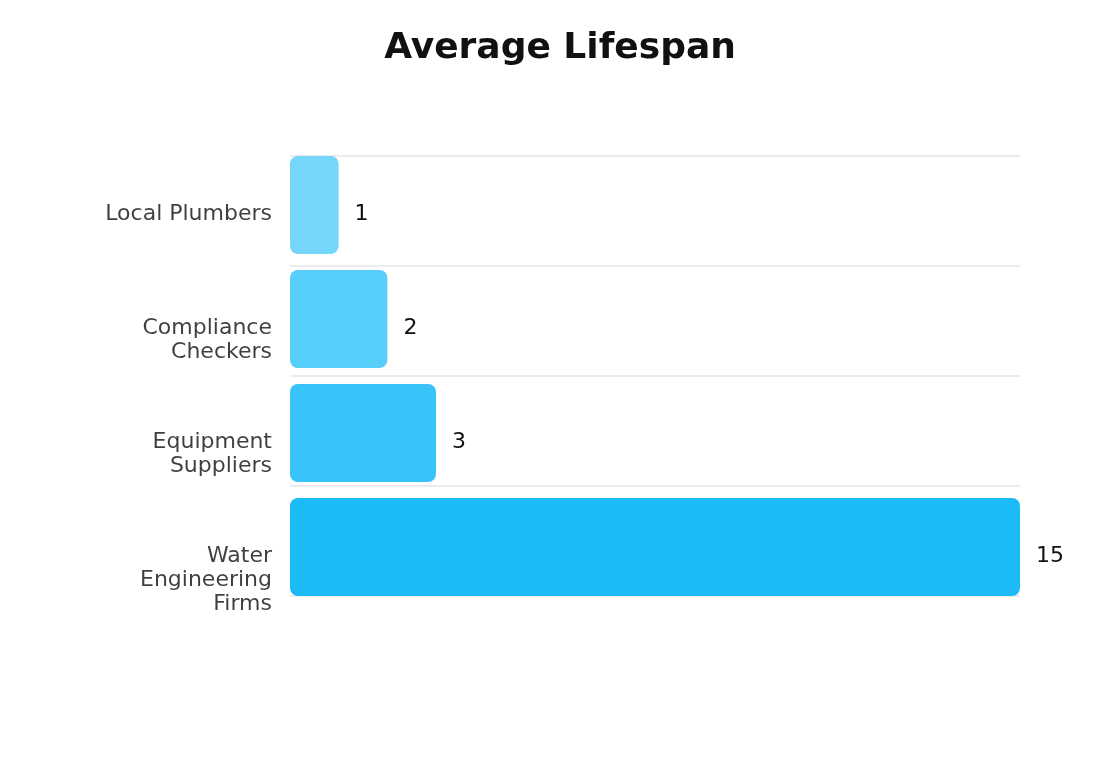
When you search for a top local choice, you will find many options claiming to be the best. Some firms, like RETAS, focus heavily on modular systems. Others, such as NIPSTec, target industrial solutions. You must align the vendor’s capability with your building’s specific scale.
4. Can they handle BRSR and municipal compliance?
Do modern harvesting systems affect corporate reporting? Yes, verifiable water metrics from your harvesting system directly support BRSR compliance. Top 1000 listed companies must now report their water usage and recharge figures accurately.
If you manage a corporate facility, your ESG director needs hard numbers. A basic vendor cannot provide board-ready data. You need an engineering partner who measures every litre saved and provides documentation that satisfies both municipal authorities and financial auditors. Understanding the mandatory harvesting cities is only the first step. You must prove your compliance with actual data.
5. How do they compare against borewell reliance?
Is rainwater harvesting better than deepening a borewell? Rainwater harvesting provides a sustainable, long-term water source, whereas deepening a borewell only accelerates aquifer depletion. Buildings that switch to aggressive harvesting often eliminate their reliance on deep aquifers within three years.
Many facility managers try to solve their water shortages by drilling deeper. This is a temporary fix. The water table in Gurugram and Delhi drops further every year. A specialized company will show you the exact return on investment of capturing rain versus paying for extraction. The math always favors capturing the water that falls free on your roof. You can see the full breakdown in our comparison of RWH versus borewells.
How much should a commercial rainwater harvesting system cost?
What does a commercial harvesting system cost in Delhi NCR? A properly engineered system for a mid-sized commercial building typically costs between ₹2 Lakh and ₹15 Lakh. The final price depends entirely on the catchment area, the soil profile, and the required recharge capacity.
Do not accept a flat quote over the phone. A reputable firm like D K Associates or EcoLive will insist on a site visit first. They must test the soil percolation rate and map the drainage network. If a vendor offers a cheap, standardized price without inspecting your property, you are buying a system designed to fail.
FAQ
How much does a commercial rainwater harvesting system cost? A properly engineered system for a mid-sized commercial building typically costs between ₹2 Lakh and ₹15 Lakh. The final price depends entirely on the catchment area, the soil profile, and the required recharge capacity.
Why do rainwater harvesting systems fail early? Most systems fail because they are built purely for compliance rather than actual water capture. Systems installed without proper catchment mapping or filtration maintenance often clog after just two monsoon cycles.
Does a harvesting system require annual maintenance? Yes, a functional rainwater harvesting system requires pre-monsoon inspection and regular filter cleaning. Systems maintained under an annual contract operate at peak efficiency and survive decades of heavy rainfall.
The final verdict on your vendor selection
Your building’s water security depends on the engineering partner you choose today. Look past the marketing brochures. Ask for their maintenance schedules, their data reporting capabilities, and their approach to the entire water balance.
If you are tired of paying for water tankers and want a system that actually works, contact EcoLive. We measure outcomes, not just installations.
Call +91 9871472211 or visit ecolive.in to request a complete water assessment for your site.