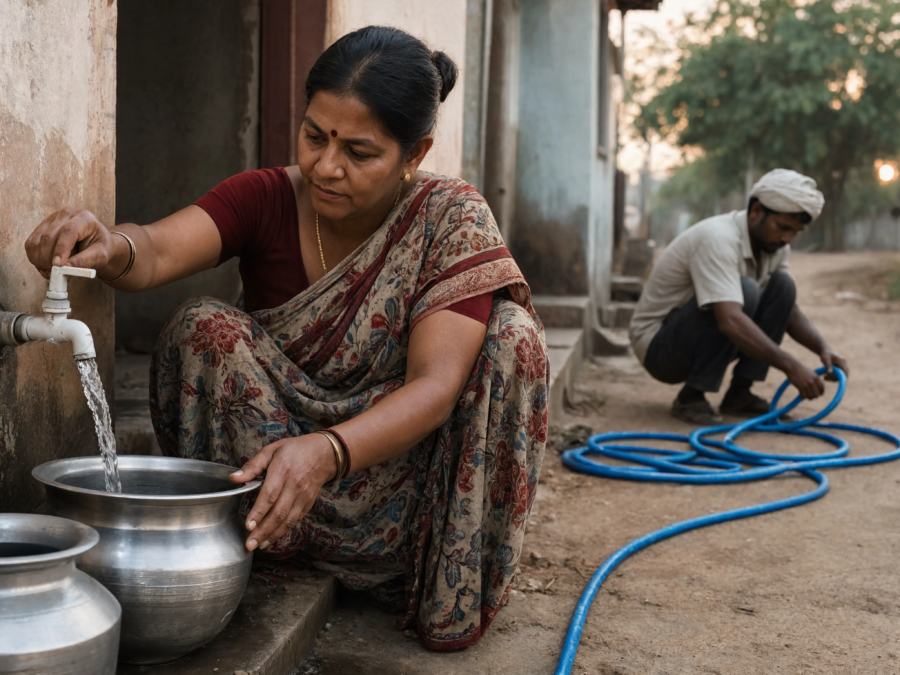
India is the world’s largest user of groundwater, extracting more than the United States and China combined. A staggering 70% of this extracted water is used for agriculture, with the remainder supporting cities and industries. But because this resource is hidden underground, its rapid depletion goes unnoticed until wells run dry.
> **TL;DR:** Groundwater is an invisible, shared resource, which makes its depletion a silent crisis. The benefits of recharge are also not immediate, requiring consistent effort and measurement. EcoLive’s 4R framework (Reduce, Reuse, Recycle, Recharge) makes this invisible resource visible through data-driven audits and verified outcomes, securing water for the future.
What Is Groundwater and Why Is It ‘Invisible’?
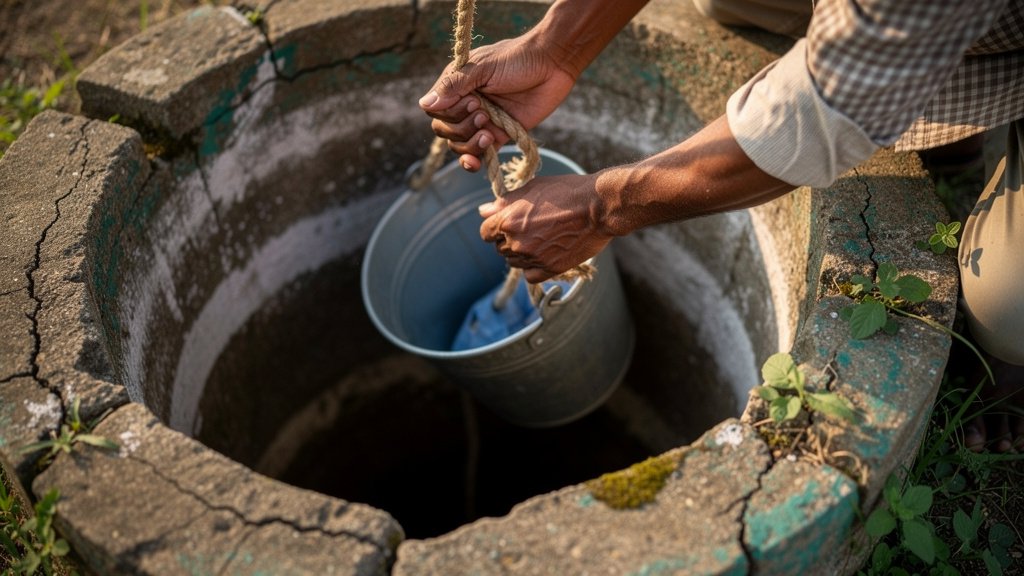
Groundwater is the water that exists beneath the Earth’s surface in soil pore spaces and in the fractures of rock formations, known as aquifers. Unlike rivers or lakes, it’s a hidden resource. You can’t see the water table dropping day by day. This invisibility is its biggest management challenge. According to a CBS News report, many farmers and communities only realize the severity of the problem when their borewells, which can be hundreds of feet deep, start to fail, by which point the crisis is already severe.
How Fast Is India’s Groundwater Actually Depleting?
The rate of depletion is alarming. A 2023 parliamentary report revealed that India’s groundwater extraction has exceeded recharge in many areas, with the overall stage of extraction being 60.08%. In states like Punjab, Haryana, Rajasthan, and Delhi, the extraction is over 90%, painting a grim picture of a resource under extreme stress. This isn’t a distant problem; it means less water availability for drinking, sanitation, and industrial use, directly impacting community well-being and economic stability.
Why Aren’t a Few Rainstorms Enough to Fix It?
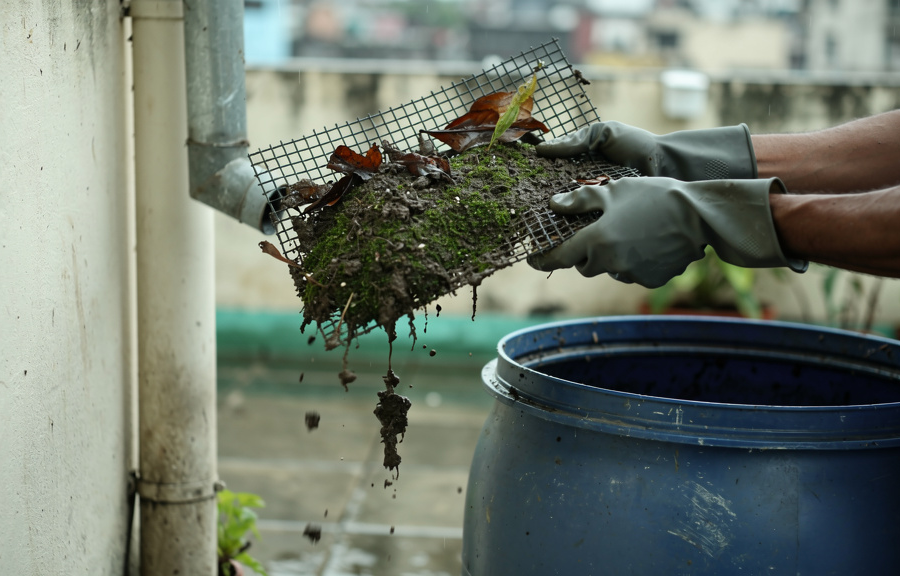
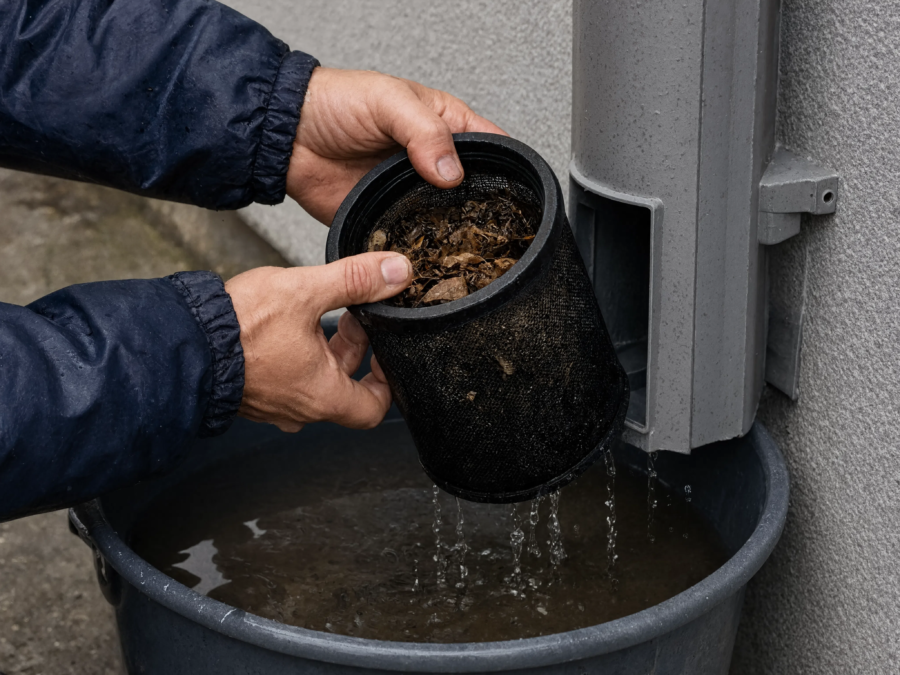
While a good monsoon seems like a solution, replenishing aquifers is a slow process. Much of the rainwater is lost as surface runoff, especially in urban areas with concrete surfaces. It can take years, sometimes decades, for rainwater to percolate deep into the ground and recharge an over-exploited aquifer. Effective rainwater harvesting and dedicated groundwater recharge structures are essential to direct this water underground, but the benefits, like a rising water table, are gradual and only visible with consistent, long-term measurement.
What Are the Hidden Costs of Ignoring Sinking Water Levels?
Ignoring declining groundwater levels leads to severe consequences beyond just water scarcity. As water is pumped out, the land above can sink, a phenomenon called land subsidence, which can damage buildings and infrastructure. Deeper wells require more energy to pump water, increasing costs for farmers and industries. Furthermore, as freshwater is depleted, saline water can intrude into aquifers, especially in coastal areas, rendering the water unusable. These compounding problems highlight the urgent need for proactive water management.
How EcoLive Makes the Invisible, Visible
You can’t manage what you can’t measure. EcoLive tackles the challenge of this invisible resource head-on. Our approach starts with a comprehensive water audit to create a clear baseline of a site’s water usage and dependency. By applying our proprietary 4R framework—Reduce, Reuse, Recycle, and Recharge—we design and implement systems that make a measurable impact. We install monitoring systems to track groundwater levels and the effectiveness of recharge projects, turning abstract data into clear, actionable insights for our clients. We have already saved over 652 million litres of water across 1,150 projects, proving that a data-led approach works.
What Can You Do to Protect Your Groundwater?
For RWAs, industries, and institutions, the first step is understanding your water balance. How much water are you using, and where is it coming from? A professional water audit can reveal significant opportunities for conservation and cost savings. Implementing a rainwater harvesting system that is designed not just for storage but for active groundwater recharge is critical. This transforms rainwater from a drainage problem into a valuable asset for securing your water future.
Frequently Asked Questions (FAQ)
How long does it take for groundwater recharge to show results?
The impact of groundwater recharge depends on local geology, the amount of rainfall, and the scale of the recharge project. While minor improvements can be seen after a good monsoon season with an efficient system, significant, stable rises in the water table can take 2-5 years of consistent effort.
Is rainwater harvesting the only solution to groundwater depletion?
No, it is a critical part of the solution. A holistic approach following the 4R framework—Reduce, Reuse, Recycle, and Recharge—is most effective. This includes reducing demand through efficient fixtures, reusing treated wastewater, and recycling water wherever possible, in addition to recharging rainwater.
How do I know if my area’s groundwater is at risk?
The Central Ground Water Board (CGWB) of India publishes data on groundwater levels and categorizes areas based on their level of extraction. However, the most direct way to know is to observe the performance of local borewells. If they require deepening every few years, it’s a clear sign of a declining water table.
Ready to secure your water future? Don’t wait for your well to run dry. Call EcoLive for a complete water assessment.
Contact us today at +91 9871472211 or visit ecolive.in.