CGWB Groundwater Extraction Guidelines 2026: What Factories Must Do
We helped a mid-sized manufacturing plant save 50,000 litres of freshwater daily and secure their compliance. Here is how. The CGWB groundwater extraction guidelines now restrict new industrial groundwater extraction in over-exploited zones. Existing industries are adapting to stricter NOC renewals, mandatory water audits, and updated environmental compensation structures.
TL;DR: The latest CGWB guidelines restrict industrial groundwater extraction across India. New factories in over-exploited zones cannot get an NOC. Existing facilities must implement rainwater harvesting, recycle treated wastewater, and submit regular compliance reports to renew their permits.
What are the new CGWB groundwater extraction guidelines?
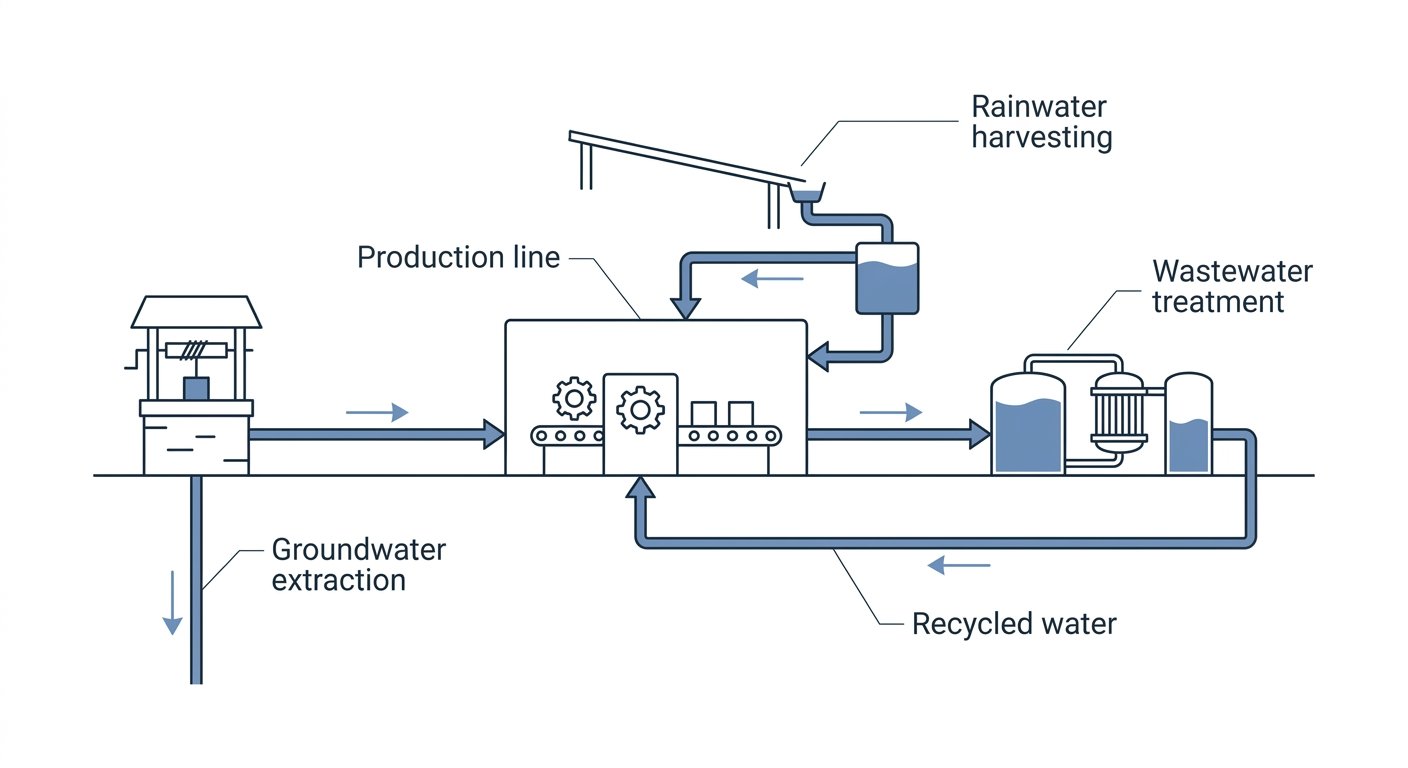
The new CGWB groundwater extraction guidelines mandate strict NOC (No Objection Certificate) conditions for industrial water use. The Central Ground Water Authority prohibits new projects from extracting groundwater in areas classified as over-exploited. Existing industries in these zones must reduce their freshwater consumption by 20% over three years.
For facility managers, this turns water from a simple utility into a strategic priority. The guidelines require all industrial users drawing more than 100 cubic metres per day to conduct annual water audits. Diversifying your water sources is now essential to run a production line smoothly.
Why do these CGWB groundwater extraction guidelines matter for your factory?
These changes matter because securing a CGWB NOC is essential for uninterrupted factory operations. The latest NOC rules link your environmental clearance directly to your water balance. Without an active NOC, maintaining your consent to operate from the pollution control board becomes challenging.
The financial impact is immediate. Industries extracting water without permission face compensation charges. These penalties start at ₹1,00,000 and increase based on the quantum of water extracted and the area’s category.
NOC Validity and Renewal Deadlines by Zone
The duration of your NOC depends on how the CGWB classifies your local groundwater block.
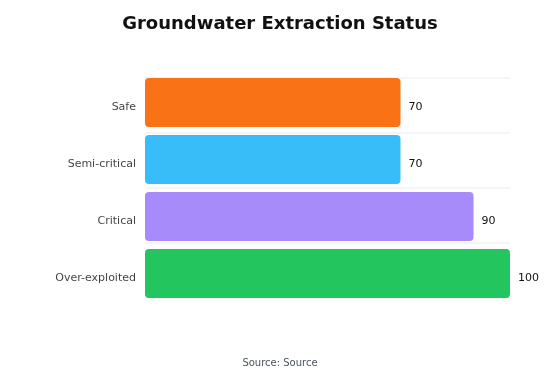
Note: New industries in Over-exploited zones will receive 0 years of validity, as NOCs are prohibited.
How can existing industries maintain their CGWB NOC?
To maintain a CGWB NOC, existing industries must prove they are actively reducing groundwater dependence. You must install digital telemetry flow metres on all extraction structures. You must also construct rainwater harvesting structures within your factory premises.
Relying on a single compliance checkbox is not enough. The board requires verifiable proof of surface runoff capture and wastewater reuse. Facilities that implement STP treated water reuse can offset their freshwater demand, making NOC renewal significantly easier.
What is the penalty for extracting groundwater without a NOC?
The penalty for extracting groundwater without a valid NOC can result in regulatory intervention and environmental compensation charges. The government periodically assesses dynamic resources to track unpermitted extraction. Facilities found operating outside the norms may face regulatory action.
If your NOC expires, you cannot simply pay a late fee. The renewal process requires you to submit a complete compliance report, including calibration certificates for your water metres and proof of functioning recharge structures.
What to do now: The 4R framework for industrial compliance
Proactive planning is the best way to ensure long-term water availability. The most reliable way to secure your factory’s water supply is to fix your internal water balance.
- Reduce: Install flow metres to find exact consumption points. Fix leaks and optimise cooling towers.
- Reuse: Route your STP output back into non-potable processes.
- Recycle: Implement zero liquid discharge (ZLD) systems where applicable.
- Recharge: Capture monsoon rain to recharge your local aquifer.
Treating water compliance as an engineering problem solves the regulatory problem automatically. This approach also prepares your company for broader ESG and BRSR compliance mandates. If your facility needs a verified water balancing plan to meet the new CGWB guidelines, EcoLive can engineer the solution.
FAQ
Who is exempt from CGWB NOC? Micro and small enterprises drawing less than 10 cubic metres per day are generally exempt. However, they must still register with the authority and submit a self-declaration of their usage.
How long does NOC renewal take? The renewal process typically takes between 60 to 90 days from the date of complete application submission. Facilities should apply at least 90 days before their current NOC expires to avoid penalties.
Can new factories get an NOC? New factories located in safe or semi-critical zones can obtain an NOC. However, new industrial operations in over-exploited blocks are completely prohibited from extracting groundwater under the latest rules.
Need help securing your factory’s water compliance? Call EcoLive at +91 9871472211 or visit ecolive.in to Request a Water Assessment.