Design, installation, recharge and maintenance for rooftops, campuses and industrial sites across India, built as part of the 4R framework, not a standalone install. The kind of system that still performs three monsoons later.
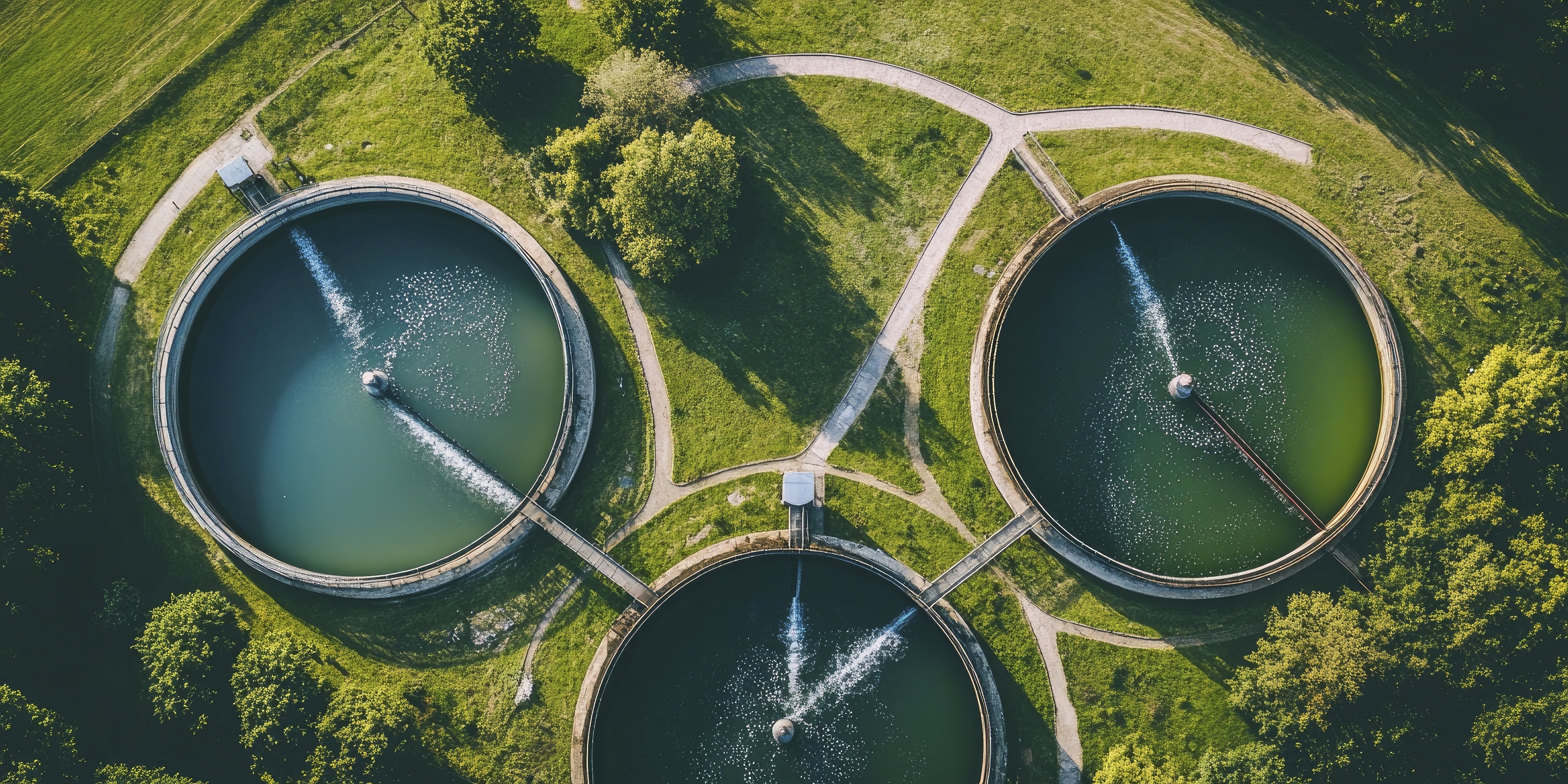
On a typical Indian building, the majority of monsoon rainfall runs off into storm drains, water you've effectively paid for through rising tanker and borewell costs. A well-designed harvesting and recharge system turns that runoff into stored supply and replenished groundwater.
The catch is design and upkeep: most systems that "fail after two years" were never commissioned or maintained properly. We fix both.
One team across the full lifecycle, so nothing gets designed well and then left to silt up.
Rooftop storage, recharge pits and shafts, borewell recharge, lateral filtration, matched to your catchment, soil and end-use rather than a one-size template. We pick the mix that fits your site, not a catalogue default.
What drives the price, and the payback in litres and rupees. Clear scope, no surprises on site.
Filter cleaning and recharge-pit desilting under an annual contract, so it harvests instead of clogging.
Plain-English guidance on filters and tanks, so you can tell a real system from a pipe into a pit.
An inspection and clean so the first heavy rain fills your storage, instead of overflowing a blocked filter.
Every project runs the same four steps, so the result is provable, not just handed over.
Catchment mapping, soil and existing borewells, so the design starts from your real site.
Filtration, storage and recharge sized to your rainfall and how you'll use the water.
Built and commissioned, then tested, not just delivered and invoiced.
Recharge efficiency measured at handover, with documentation you can keep.
Not a drawing and an invoice, the whole lifecycle, documented.
Same rooftop, same rainfall. What you're left with is not the same.
The ones we get asked on almost every first call.
It depends on your goal. Storage tanks give you usable water for non-potable needs; recharge structures replenish groundwater and revive borewells. Most sites benefit from a mix, sized to catchment area, soil percolation and how you'll use the water.
Cost is driven by catchment area, the balance of storage vs. recharge, and filtration grade, not a flat per-square-foot rate. We scope it against your site and the litres it can recover, so you see the payback, not just the price.
Almost always maintenance, filters clog and recharge pits silt up, so water stops going in. That's why we verify recharge efficiency at handover and offer an annual contract with pre-monsoon cleaning.
Yes. A properly designed and documented recharge system supports compliance with Central Ground Water Authority and municipal requirements, and we hand over the documentation to show it.
Start with a free estimate, or book a 15-minute call and we'll tell you honestly what a system on your site would take.